


Arc & MMA Welders
MMA Welding also known as Stick Welding or ARC welding is a proven and reliable welding process.
MMA (Manual Metal ARC) welding uses a coated electrode which you put into an electrode holder. When the end of the electrode rod touches the workpiece, an arc is struck. The outside coating releases a shielding gas and slag to protect the weld. This stops it from oxidising while the inside metal rod melts to form the weld bead. The slag will solidify when the weld cools and then is chipped off exposing the weld bead.
MMA Welding was first developed in 1888 in Russia and coated electrodes were available in the early 1900's.
Electrodes available
1) Basic
2) Rutile
3) Cellulosic
1) Basic Electrodes
Basic electrodes feature a fast freezing fluid slag so ideal for welding in vertical and overhead positions.
Uses: For welding medium to heavy fabrication where a high weld quality, strong mechanical properties and high cracking resistance is required.
Slag removal: difficult.
2) Rutile Electrodes
Rutile electrodes feature good arc ignition, low spatter and a very smooth arc due to their titanium oxide coating.
Uses: General purposes electrode, all welding positions, very suitable for welding fillet joints in horizontal and vertical positions
Slag removal: easily removable.
3) Cellulosic Electrodes
Cellulosic electrodes feature a high level of cellulose in the coating and have a deeply penetrating arc. This gives a high welding speed with a rapid burn off rate. The slag is fluid and weld bead can be coarse.
Uses: Easy to use in any position, where deep penetration is required, good for vertical down welding.
Slag removal: can be difficult. Risk of cracking in Heat Affected Zone (HAZ) due to high amounts of hydrogen generated.
Welding Current
Welding current to be used is normally shown on the packaging. The general rule is to allow 40amps per mm diameter of rod:
I.E 2.5mm rod required 100amps, 3.2mm is 130, 4.0mm is 160A, you can allow +/- 20amps to get desired weld bead.
What are Inverter Power Sources?
Inverter power sources are much smaller than the old-fashioned transformer type ARC welders. They are much lighter and therefore much more portable. They give infinite control over welding power so you can fine tune amperage to your job.
Other key features of R-Tech’s MIG/ARC Welders:
Anti-stick technology
Prevents the rods sticking to work, the machine senses this and lowers the welding current to avoid short circuit.
Hot start technology
The machine will slightly pre-heat the electrode to give easier arc starting with cold electrode.
Arc force technology
The machine will slightly increase the welding power during a weld to give a smoother continuous arc. If you get the electrode very close to the work (tight arc) the slight increase in amperage will stop the rod from sticking and the arc destabilising. The closer/tighter the arc, the welding voltage decreases, so the increase in amperage keeps the weld stable.
This is best for when welding in difficult positions.
-
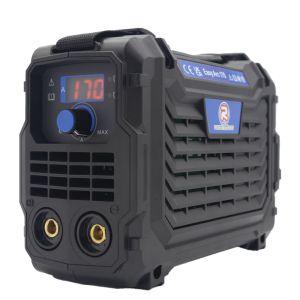
R Tech EasyArc 170 MMA Welder Package
RT-EASYARC170£270.00 £225.00The R-Tech EasyArc170 is a portable MMA Stick Arc welder featuring Inverter technology, runs off a 240V supply and includes all welding leads. -
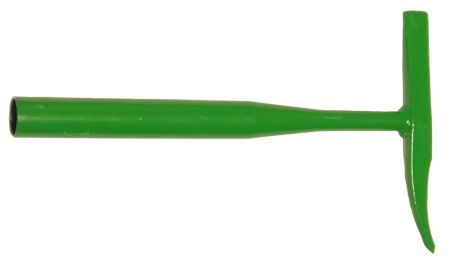
Tubular Chipping Hammer
WA-EW0004£5.94 £4.95Lightweight design with long handle and double-ended chipping head. -
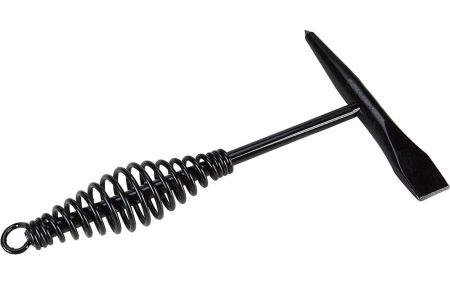
Heavy Duty Metal Chipping Hammer
WA-EW0002£5.94 £4.95Heavy duty design with spring handle and double-ended chipping head.